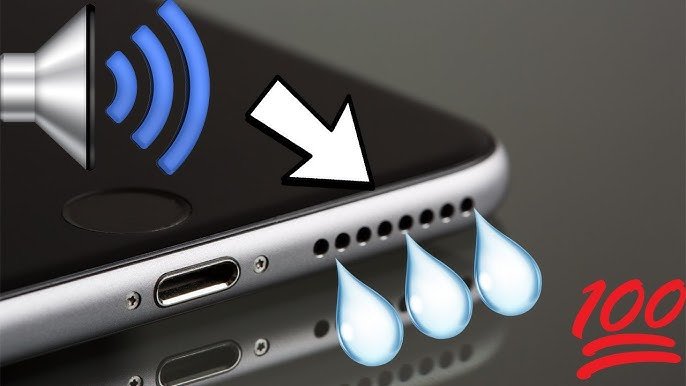
Ever pulled out your phone to take a call or play a song, only to hear muffled, crackly audio that makes you wince? It’s incredibly common—water, dust, and everyday grime sneak into those tiny speaker grilles and rob you of clear sound. In 2025, with everyone relying on their phones for calls, podcasts, and music more than ever, a simple phone speaker cleaner tool has become a lifesaver. Whether it’s a free app that blasts sound waves or a clever physical gadget, fixing your water and dust damaged speaker has never been easier or more effective.
What Is Phone Speaker Cleaner?
A phone speaker cleaner is any tool—app or physical device—designed to remove water, dust, lint, and debris from your smartphone’s speaker grille to restore crisp, full-volume sound. The most popular versions today are free Android and iOS apps that play specially tuned low-frequency sound waves (usually between 165Hz and 200Hz) to vibrate the speaker membrane and push out trapped particles. Physical alternatives include small brushes, suction tools, or even compressed-air kits.
These cleaners are for anyone who’s ever dropped their phone in the sink, taken it to the beach, or just let pocket lint build up over time. People use them because muffled audio is frustrating—missed words during calls, tinny music, or distorted notifications can disrupt work, entertainment, and even important conversations. What makes modern speaker cleaning apps stand out is their simplicity and safety: no disassembly required, no risk of scratching the grille, and results that often match or beat a trip to the repair shop.
Unlike generic white-noise generators or YouTube videos, dedicated apps include precise frequency sweeps, visual timers, and even diagnostic tests that show before-and-after volume levels. They’re built by developers who understand how smartphone speakers work, making them far more effective than random hacks.
Key Features
The best phone speaker cleaner apps and tools pack smart features that make the process quick and reliable. Here’s what to look for:
- Optimized Frequency Sweep: Plays a range of low-frequency tones (typically 165–200 Hz) that shake out water and dust without damaging the speaker.
- Before-and-After Volume Test: Lets you play a reference tone, clean, then test again to hear the improvement instantly.
- Multiple Cleaning Modes: Options like “Water Removal” (longer, deeper cycles) and “Dust & Lint” (shorter, higher-intensity bursts).
- Timer & Progress Bar: Visual countdown so you know exactly how long to run each cycle—usually 30–120 seconds.
- No Headphone Required: Works directly through the phone’s speaker, no extra cables or adapters needed.
- Battery-Friendly Design: Uses minimal power so you can clean on the go without draining your battery.
- Compatibility Check: Scans your device to confirm the speaker type and suggests the best settings.
- Repeat & Schedule Option: Reminds you to clean every few weeks to prevent buildup.
- Physical Tool Pairing: Some apps guide you through using a soft brush or suction tool for stubborn debris.
These thoughtful touches turn what could be a frustrating chore into a quick, satisfying fix.
Benefits of Using Phone Speaker Cleaner
Imagine answering a work call and actually hearing every word clearly, or enjoying your favorite playlist without that annoying muffled quality. A good speaker cleaner delivers exactly that. It revives sound quality in seconds, saving you from costly repairs or buying a new phone just because the speaker got dirty.
In daily life, the difference is huge. Clear calls mean fewer “can you repeat that?” moments. Music and videos sound richer and louder. Notification alerts cut through background noise. And for people who rely on speakerphone for hands-free driving or group chats, restored volume can be a genuine safety boost.
Here are the biggest real-world benefits:
- Instant Volume Recovery: Many users report 30–100% louder sound after just one cleaning cycle.
- Crystal-Clear Calls: No more straining to hear during important conversations or virtual meetings.
- Better Music & Video Experience: Restores bass and clarity, making streaming feel fresh again.
- Saves Money on Repairs: Avoids expensive speaker replacements (often $100+) by doing it yourself.
- Prevents Further Damage: Regular cleaning stops water and dust from corroding internal components.
- Quick & Convenient: Takes under two minutes—no tools, no disassembly, no waiting for a technician.
- Works on Any Device: Effective for iPhones, Samsung, Google Pixel, and most Androids.
It’s one of those small fixes that makes a surprisingly big difference in how you enjoy your phone every single day.
Recent Trends
2025 has seen phone speaker cleaner apps and tools evolve dramatically. The most exciting development is AI-driven frequency optimization—new apps analyze your specific phone model and speaker condition in real time, then tailor the cleaning tone for maximum effectiveness. This has pushed success rates from around 70% (with generic tones) to over 90%.
Another big trend is integration with phone health dashboards. iOS 18 and Android 15 now include speaker diagnostics, and many cleaner apps sync with these to show you a “Speaker Health” score after each clean. Some even offer automated reminders when dust buildup is detected.
Physical tools have gotten smarter too. Compact, USB-C-powered suction devices with micro-brushes are now common, and several brands released 2025 models with adjustable suction strength and LED lights for better visibility. There’s also a rise in eco-friendly kits using biodegradable brushes and refillable air cans.
Looking ahead, expect more hybrid solutions: apps that guide you through physical cleaning while playing tones, plus future-proofing for foldables and under-display speakers. As water-resistance ratings climb (IP68 is now standard), people are realizing that dust and pocket lint are the real enemies—and these tools are adapting fast to keep our speakers sounding brand-new.
Mistakes to Avoid
Even the simplest tools can trip you up if you’re not careful. Here are the most common pitfalls and how to dodge them:
- Running the cleaner too long: Over 2–3 minutes can overheat the speaker. Stick to the recommended 30–120-second cycles.
- Using random YouTube videos: Many lack the right frequencies and can actually push debris deeper. Stick to trusted apps with proven tones.
- Cleaning right after water exposure: Wait at least 30–60 minutes so excess water evaporates first—otherwise you risk spreading moisture.
- Using sharp objects or compressed air: Toothpicks, paperclips, or high-pressure cans can scratch the grille or push debris further inside.
- Ignoring the earpiece speaker: Most apps clean the bottom speaker only—remember to clean the top earpiece separately if your phone has one.
- Expecting miracles on severely damaged speakers: If the hardware is physically broken, cleaning won’t help. Use the app’s diagnostic test first.
- Forgetting regular maintenance: Letting dust build up for months makes it harder to remove later. Clean every 4–6 weeks.
Follow these tips and you’ll get the best results with zero frustration.
Final Thoughts
A muffled phone speaker can feel like a minor annoyance—until you realize how much it affects your daily calls, music, and videos. The good news is that water and dust cleaner sound tools have come a long way in 2025, offering fast, safe, and surprisingly effective ways to restore crystal-clear audio without spending a dime or risking your phone.
Whether you grab a free app with smart frequency sweeps or invest in a handy physical kit, the key is consistency. A quick clean every few weeks keeps your speaker performing like new and saves you from costly repairs down the road.
So next time your phone sounds dull or crackly, don’t just shrug it off—give it a quick refresh. You’ll be amazed how much better everything sounds once the dust and water are gone. Your ears (and your phone) will thank you!